
- +1 800 433 4609
- |
- Request Info
- |
- Login
Earlier detection of memory loss and dementia
The world's LARGEST standardized neuroscientific database.
BrainView System
BrainView technology is a scientific breakthrough in brain health management and diagnostic.
BrainView allows medical professionals, to see more and know more than ever before.
BrainView helps clinicians with objective data on a patient's core brain functions like: memory, attention, information processing, and executive function.
BrainView can identify symptoms of cognitive disfunction such as fatigue, memory loss or brain fog, in some cases several years before they erupt.
Request Information
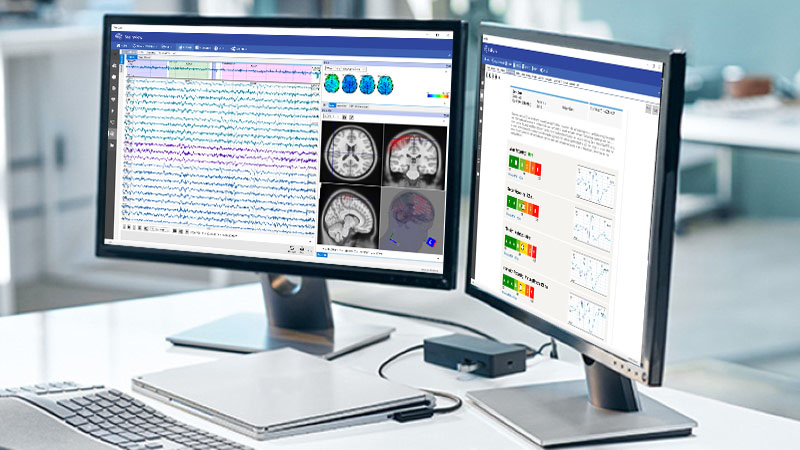
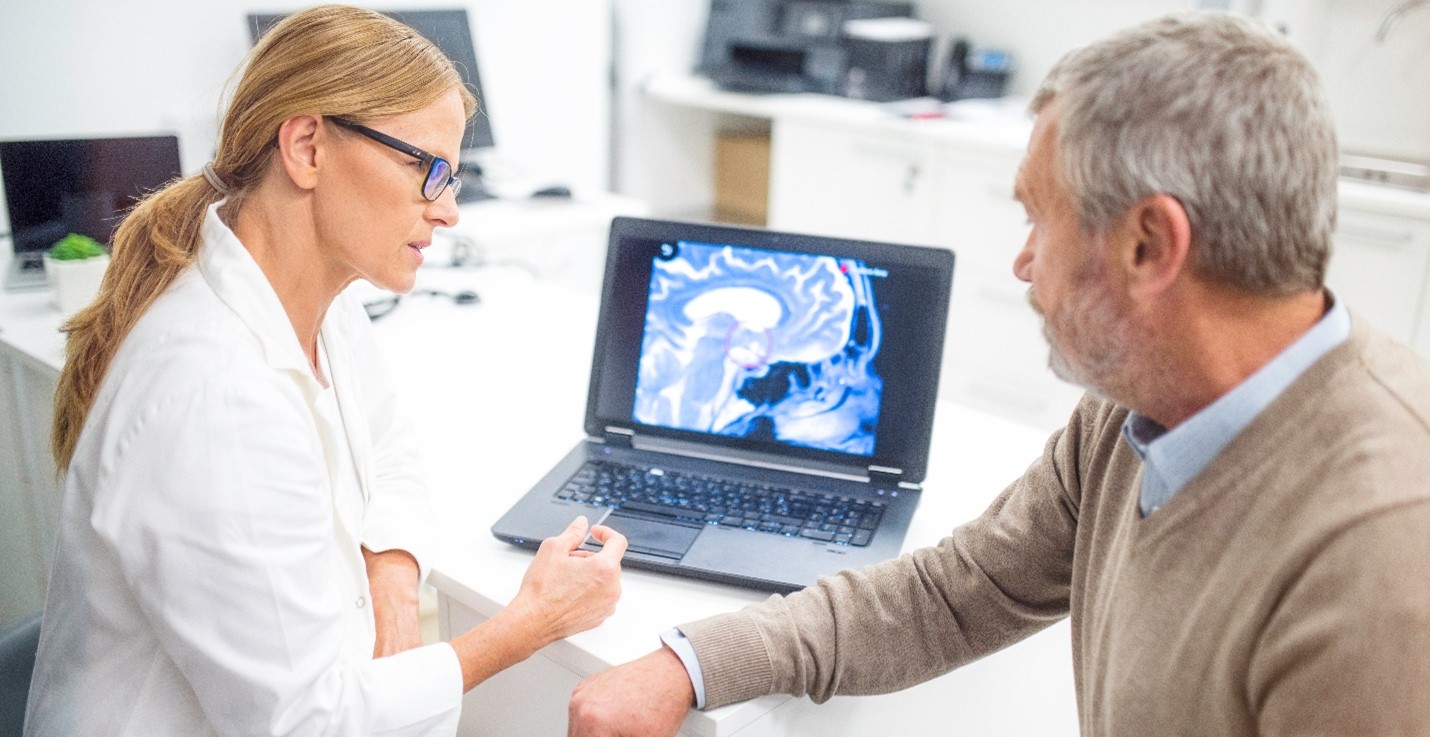
The Gold Standard of Cognitive Testing
BrainView Cognitive Assessment provides a unique system specifically designed to allow for possible early detection of mental and cognitive issues. Some disorders detected early include Anxiety, PTSD, ADHD, Alzheimer's, Dementia, Depression, and Traumatic Brain Injury.
Our leading-edge brain scan technology is performed by healthcare providers and technicians who are expertly trained to conduct our tests in a safe, confidential, and professional environment.
BrainView is a cutting-edge hardware and software system that allows the detection of neurological conditions.
BrainView is a state-of-the-art system that provides the following:
BrainView can identify symptoms of cognitive dysfunction such as fatigue, memory loss or brain fog, Anxiety, Depression, PTSD, TBI, Migraines, Sleep Disorders, OCD/ADD, in some cases several years before they manifest.
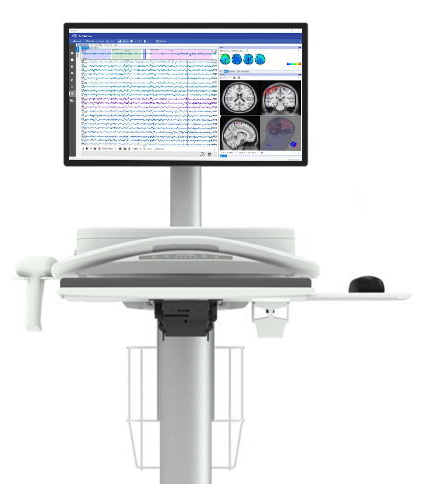
BrainView device is a USA FDA 510(K) cleared Class II medical device. The system acquires, displays, and stores a recording of the electrical activity in a patient's brain through (EEG) and event-related potentials (ERP) obtained by placing two or more electrodes on the head to aid in diagnosis.
BrainView is a state-of-the-art system that provides the following:
- Electroencephalography (EEG), evaluating the activity of the brain
- Electrocardiogram (ECG), assessing the activity of the heart
- Evoked potentials assess the visual and auditory processing speed
- Subjective neuropsychological survey.
BrainView can identify symptoms of cognitive dysfunction such as fatigue, memory loss or brain fog, Anxiety, Depression, PTSD, TBI, Migraines, Sleep Disorders, OCD/ADD, in some cases several years before they manifest.
BrainView device is a USA FDA 510(K) cleared Class II medical device. The system acquires, displays, and stores a recording of the electrical activity in a patient's brain through (EEG) and event-related potentials (ERP) obtained by placing two or more electrodes on the head to aid in diagnosis.
Why BrainView
The BrainView system is designed to help healthcare providers effectively measure and manage memory loss, cognitive impairment, Anxiety, Depression, PTSD, TBI, and other stress-related neurological conditions.
Healthcare providers use our non-invasive measures to attain more information that helps guide well-informed decisions about cognitive symptoms and potential neurological conditions. BrainView assists in the early detection and improved management of neurological disorders.
What is BrainView testing?
The BrainView is the most comprehensive and advanced assessment offered today to evaluate possible neurological conditions. Information is gathered about how your brain and heart function and how your body processes different signals.
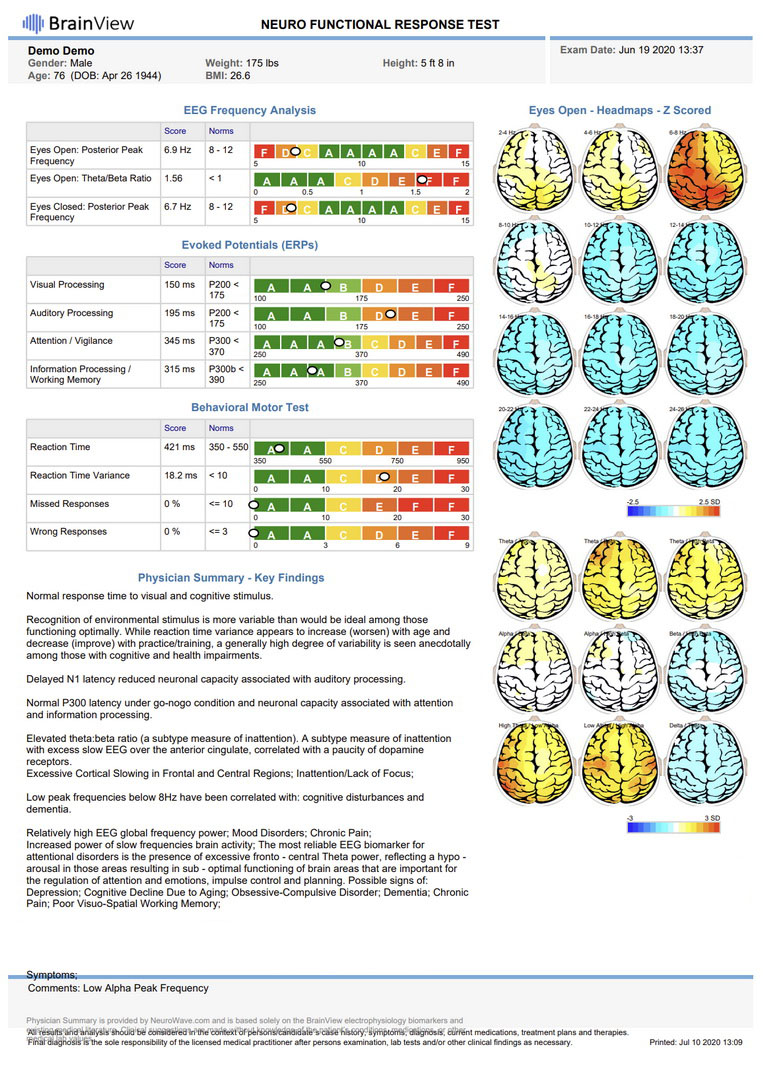
An Interpreted report is produced, which shows your brainwaves at rest and when the brain is performing a task. We compare this to an extensive normative age-related database. This test will help healthcare providers develop a more informed and personalized treatment plan.
Challenges in Assessing Cognitive Impairment
Cognitive impairment can occur at any age for various reasons, including stress, dementia, head injuries, sleep disorders, and pain. It is very frustrating as a patient when the underlying cause is unknown. Until recently, it has been challenging for healthcare providers to objectively assess patients for cognitive impairment due to the lack of specificity. As a result, these conditions can be an undiagnosed or delayed diagnosis and decrease quality of life.
There is a critical need for healthcare providers to evaluate neurocognitive function due to the aging population, the prevalence of stress and pain, and increased awareness of the impact of head injuries on cognition. Cognitive symptoms can also occur outside of average age‐associated memory loss. Surprising to many, issues with cognition can also happen at any age.
When trauma occurs and a patient injures their head, the healthcare provider must accurately assess and document brain function to best evaluate the patient and avoid legal repercussions. A head injury can severely negatively impact patient outcomes, including quality of life, without proper diagnosis.
Cognitively impaired patients can present with confusion, forgetfulness, "brain fog," and functional impairment. The BrainView system assists the healthcare provider to quickly and objectively assess cognitive impairment in the office setting, offering guidance in achieving the proper diagnosis more efficiently.

BrainView Benefits
- Helps improves clinical outcomes through early assessment
- Detects declines in memory up to 15 years before symptoms
- May detects head injuries that a CT or MRI may not
- Quick and easy assessment in Glastonbury, CT
- Assess the underlying cause in patients suffering from chronic pain
- Assists with treatment interventions
- Helps to better understand ADD and ADHD in children,
- leading to better outcomes and treatment solutions.
About BrainView
The BrainView system helps provide comprehensive brain health information. This non-invasive, pain-free medical device effectively understands and quantifies memory loss, cognitive impairment, and other stress-related neurological conditions.
Many previously unanswered questions are addressed by understanding the brain's road map. As a result, we are enabling the next steps in patient management to become more evident.
BrainView helps your healthcare provider determine when to return safely to your daily activities, such as work or sports. This provides peace of mind, knowing you or your loved one is healthy enough to resume the daily activities they enjoy.
Routine check-ups and necessary follow-ups can assist your healthcare providers with identifying problems early on. At the same time, they may be more easily treatable, specifically in individuals who are at a higher risk for cognitive impairment later in life.
Importance of Early Detection
Early detection of cognitive impairment is vital. As people age, cognitive impairment can significantly impact individuals, families, and overall quality of life. It is now thought that a decline in cognitive abilities is a process that occurs over a 20 to 30-year time frame, eventually leading to poor cognitive outcomes. Therefore, it is recommended that cognitive testing as early as 35 years old can be beneficial.
Current paper‐based assessments used in primary care practices make it difficult to determine the dementia subtype, resulting in less successful treatment outcomes. As a result, approximately 86% of deceased patients who have dementia are misdiagnosed with Alzheimer's disease.
BrainView is now changing the way cognitive impairment is detected. The BrainView system can help assess patients up to 15 years before the onset of symptoms. Early detection of cognitive disorders offers earlier identification and treatment of the underlying cause. For example, some reasons include thyroid problems, nutritional deficiencies, and stress.
How does the technology work?
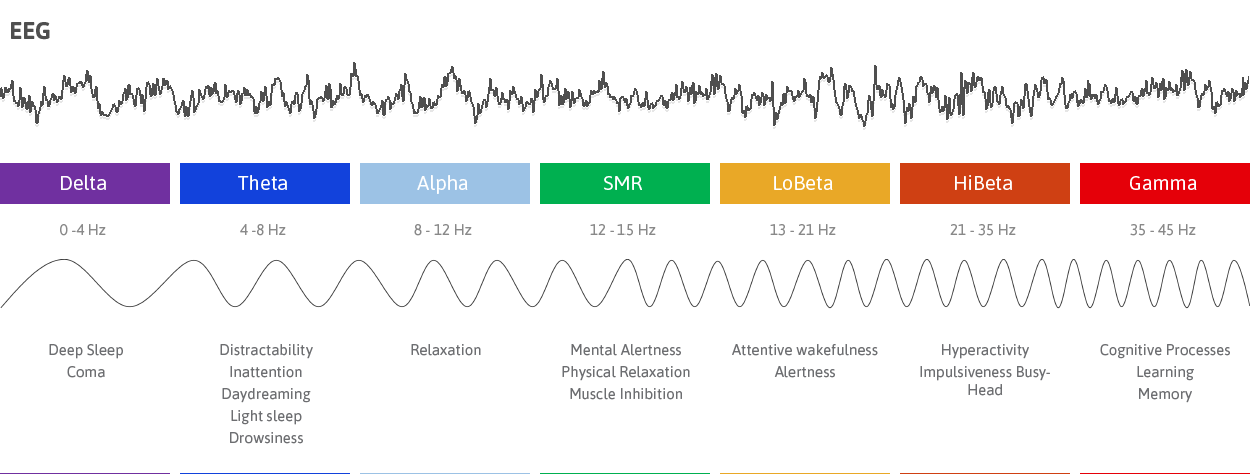
Your brain produces electrical signals and gives off electrical signals called "brainwaves." You have a certain kind of brainwave depending on your activity or function. For example, your brain produces Delta & Theta brainwaves if you sleep. However, when thinking and concentrating, your brain has Beta brainwaves. The EEG technology amplifies those brain waves, recording the brainwaves, then reading and analyzing the data in an easy-to-understand comprehensive report.
Why is this helpful to my provider?
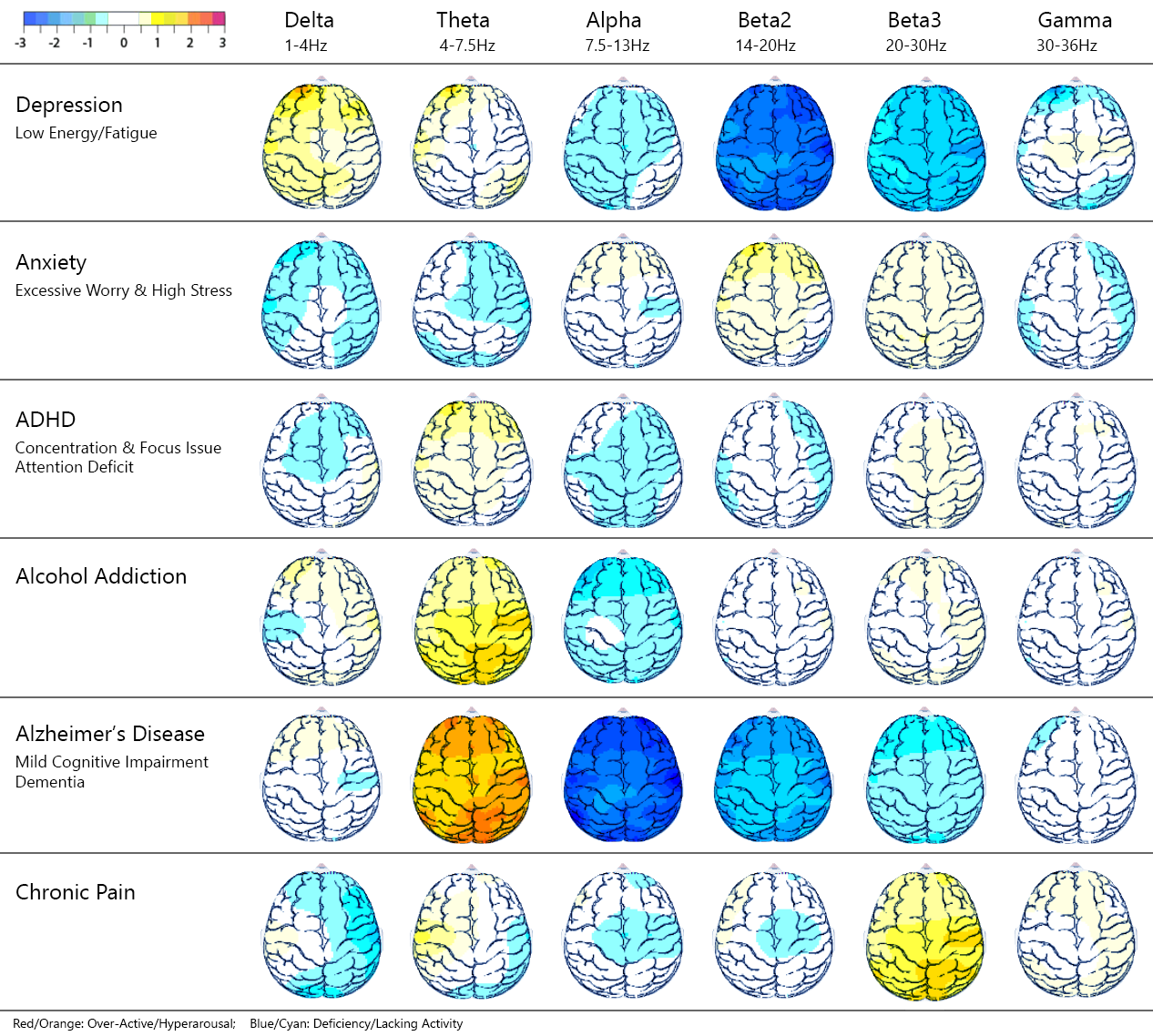
BrainView provides helpful information to your provider about your cognitive function. Specifically, how well your brain processes information and how your body is physically responding to stress. Brainwave patterns can assist in identifying specific disorders such as depression, anxiety, ADHD, OCD, bipolar disorder, and post-traumatic stress disorder.
BrainView's Importance in Finding Disorders
BrainView is crucial for uncovering the underlying cause and adequate treatment for a variety of disorders, including:
Physical disorders: Brain mapping can help your healthcare provider detect the presence of tumors or other brain injuries through structural brain imaging techniques before it is too late.
Emotional disorders: Some brain mapping techniques, such as EEG, can determine the underlying cause of symptoms. In addition, by looking at patterns of electrical activity, thought patterns behind emotional conditions or addictions can be identified.
Cognitive disorders: Brain mapping can help psychologists, physicians, and other healthcare providers find the root causes of mental disorders like depression, anxiety, memory loss, and more.
What Disorders Can Neuroimaging Map?
Neuroscientists and other medical professionals can diagnose a wide variety of disorders through neuroimaging. These include conditions like schizophrenia or clinical depression. However, it is essential to understand that brain scans only provide patients and healthcare providers information. The information from the brain scans must be applied correctly to develop an individualized treatment plan that leads to successful results.
How we do it
The Cognitive Assessment follows BrainView's evidence-based electroencephalography (EEG) protocol.
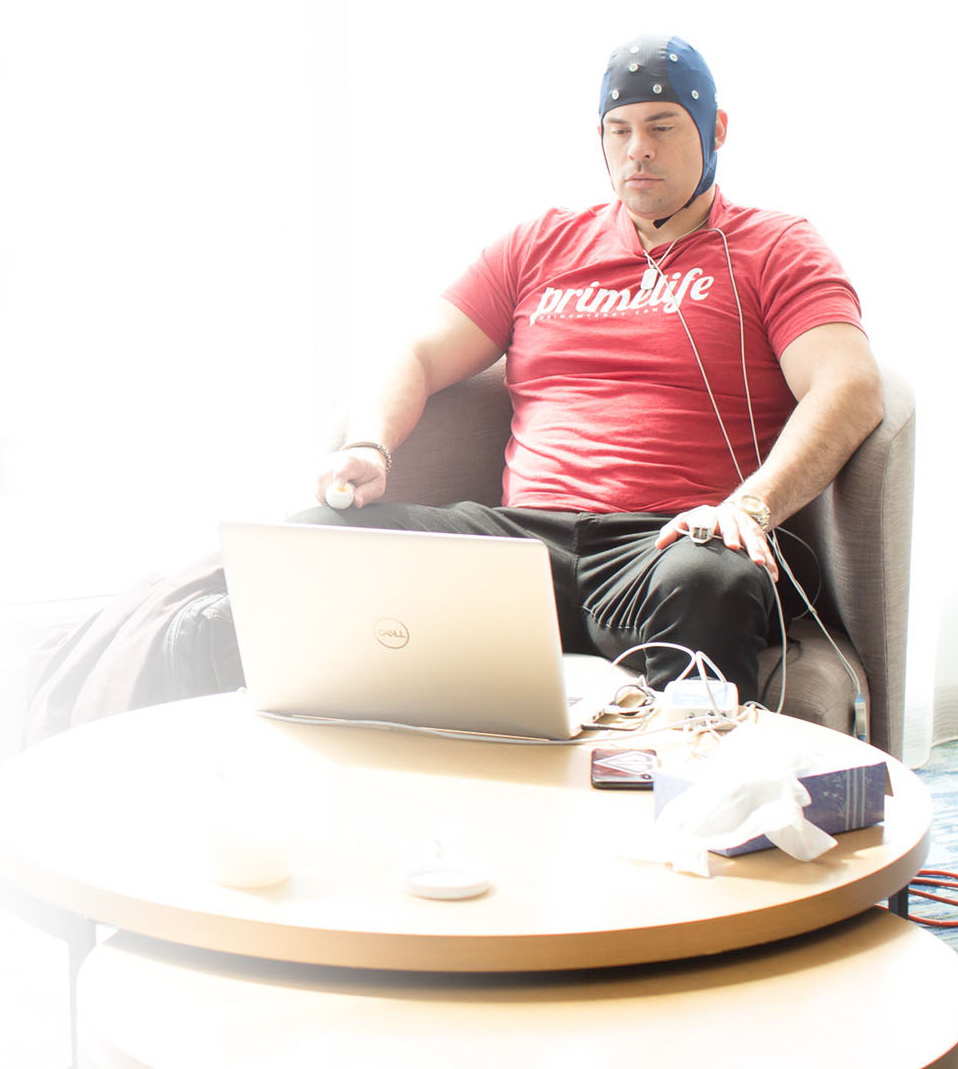
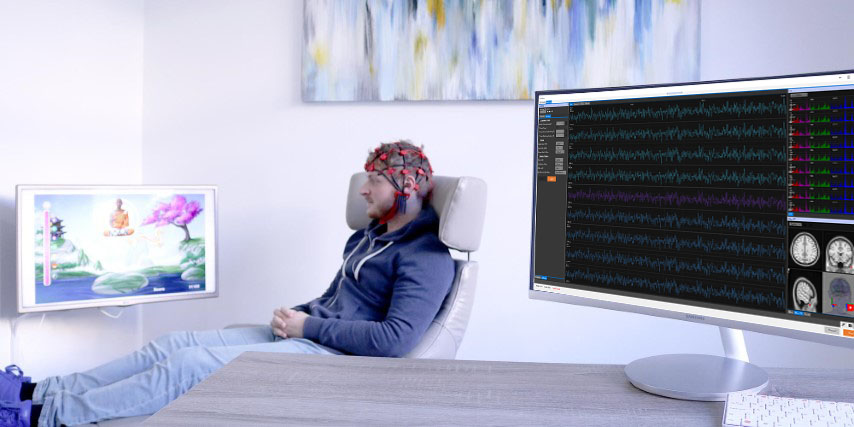
This quick and non-invasive assessment takes only 20-30 minutes to complete. First, the testing is performed by placing an EEG cap with electrodes on the scalp. The EEG electrodes and the conductivity gel allow BrainView to record the brain's electrical activity.
The assessment guides patients through a series of neuropsychological tests on a computer while hundreds of thousands of data points of brain waves are recorded by the EEG. Included in the EEG recorded data points are event-related potentials (ERP). ERP's indicate the health of core cognitive functions like memory, information processing, attention & concentration.
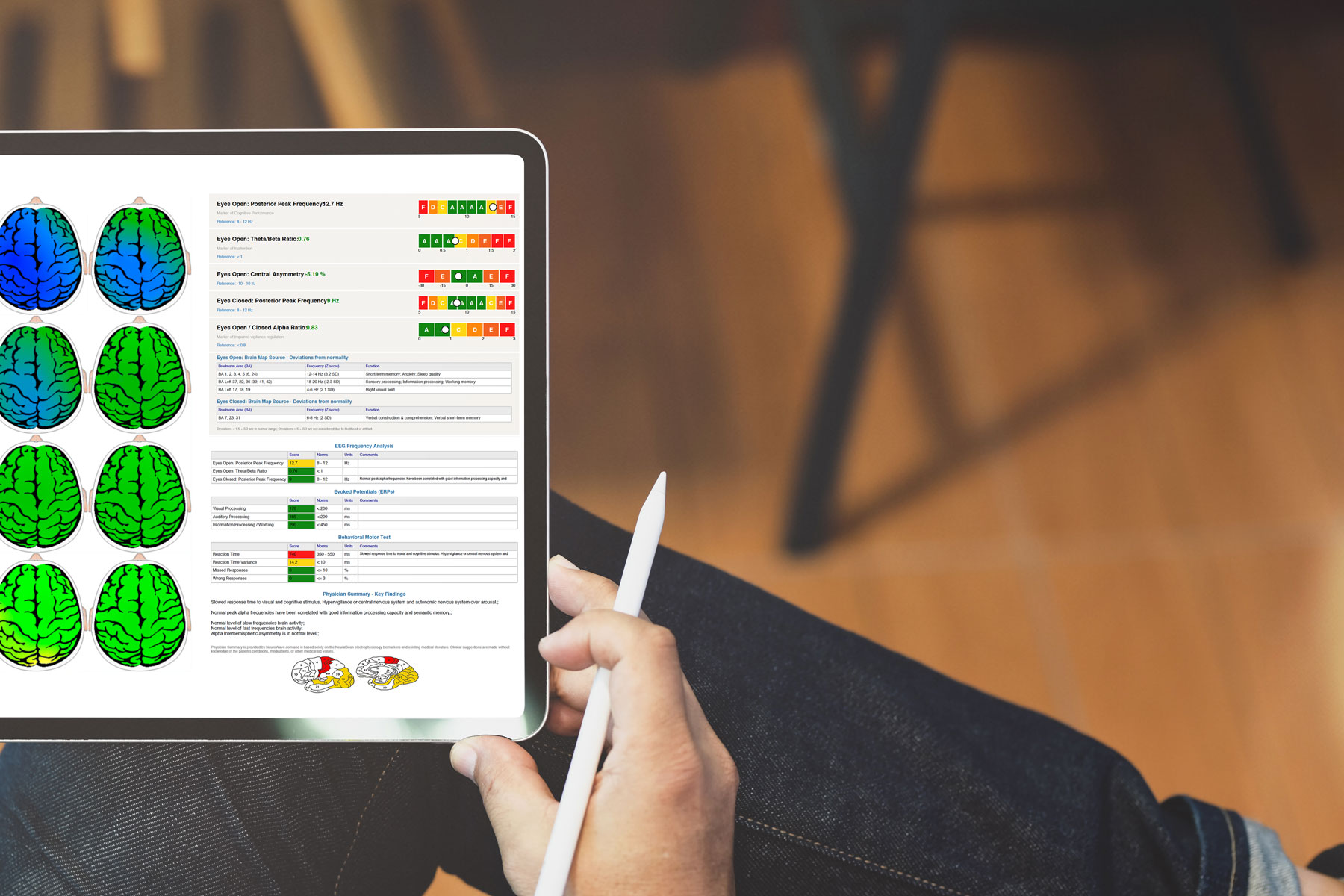
BrainView's medical software report is generated using data gained from EEG and ERP and compared to BrainView's database of healthy cognitive functions. Together with clinical findings, this information is used to determine healthcare providers' diagnoses and medical decision-making.
BrainView complements clinical protocols and assists in tracking brain health over time, provides valuable data in the diagnostic process and helps inform customized treatment strategies.
During treatment, repeat BrainView assessments track changes in a patient's cognitive scores to monitor their progress and validate the efficacy of therapy, helping healthcare providers to maximize patient outcomes and expedite recovery timelines.
BrainView complements clinical protocols and assists in tracking brain health over time, provides valuable data in the diagnostic process and helps inform customized treatment strategies.
During treatment, repeat BrainView assessments track changes in a patient's cognitive scores to monitor their progress and validate the efficacy of therapy, helping healthcare providers to maximize patient outcomes and expedite recovery timelines.
There are many steps we use to creating a BrainView report:
- Acquisition of the recording;
- De-artifacting the record;
- Viewing the artifacted record to determine if any transient behaviors persist;
- Reviewing FFTs, spectral displays and other digitally filtered images;
- Comparing the subject to a normative database;
- Isolating pathologies;
- Writing the report.
Why we are different
- Scores multiple core cognitive functions
- Limitless brain health applications
- Supports any clinical group
- Available to patients 8-90 years of age
- 30+ years of peer reviewed studies and research
- Proprietary, evidence-based EEG protocol
- Proprietary medical software
- Non-invasive testing
BrainView Mapping Explained
How Neuroimaging Affects Therapy and Treatment
Brain mapping is a tool used to help evaluate Individuals with various neurological disorders, including addiction disorders and cognitive disorders. In addition, brain mapping can help your medical providers better understand how your brain works and create a personalized treatment plan specific to your situation.
What is BrainView Mapping?
Brain mapping includes various tools and technologies used to study used to images of and map electrical activity within the brain. Brain mapping evaluates an individual's brain function or structure. This is done by examining the physical layout and composition of the brain or measuring electrical activity.
Types of Brain Scans
There are a variety of brain scans available for brain mapping. Magnetic resonance imaging scan (MRI scan) is the most common brain scan used for brain mapping. Other commonly used scans include computer tomography (CT scan) and positive emission tomography (PET). These scans are non-invasive, meaning they do not require any introduction of any instruments into the body or any cutting of the skin. These non-invasive studies provide helpful information about your brain that your healthcare provider can use to help determine your diagnosis and personalized treatment plan.
BrainView is based on electroencephalography or EEG scans. EEGs use metal sensors and a cap on the head to measure electrical activity in the brain. qEEG treatments take the measurements gained from a typical EEG scan and process those electrical patterns using analysis software and formulas.
What are brain maps?
BrainView 3D Brain Maps is an accumulation of EEG data. They are created by taking all EEG data collected and getting an average for each type of brainwave. Maps created a show with a deficit of power and excess power in different brain regions. BrainView LORETA source localization imaging is also provided to help with potential targeted treatments. Specific patterns of power deficits and excess correlate with various diagnoses and symptoms.
What in the Brain Can Be Mapped?
Memory: Electrical scans such as an EEG scan can map memories. An individual's brain can be studied to detect where specific memories are stored, how the brain recalls different memories, and what effect those memories have on other neurological processes.
Learning: Psychologists and physicians can use brain mapping to determine how an individual learns and where information is stored in the brain. It can also detect whether learning problems are due to neurological conditions such as addictions and cognitive inflexibility.
Aging: The structure and function of the brain can be evaluated using brain mapping to detect the effects of aging. In addition, brain mapping can detect how drugs may induce premature aging on brain tissue.
Brain mapping can be used to detect the effects of aging in the mind, either structurally or functionally, and to see how drugs or other substances may induce premature aging and brain tissue. This helps visualize the actual effect that drugs are having on the brain.
Brain mapping is a key technique that your healthcare team can use to help best diagnose and manage your care. This helps assist in achieving the best possible quality of life.
Benefits of BrainView during Treatment
BrainView offers benefits to both patients and healthcare providers, especially when treating cognitive disorders or addiction. Brain mapping offers physicians a deeper level of understanding about the brain, allowing for more effective patient management.One example is that brain mapping can be used along with neurofeedback therapy. Neurofeedback, also called EEG Biofeedback, is a non-invasive method of brain function training. During this revolutionary therapy, patients are provided with the results of a Quantitative Electroencephalogram (qEEG). During a qEEG, brain electrical activity is measured. Patients can then work with their psychologists or clinical health providers to train their brains out of bad habits or unhealthy thought patterns.
BrainView Products
- Neuro Cognitive
- BrainView NeuralScan Pro
- Routine Clinical EEG
- BrainView EEG-21 Pro
- BrainView EEG-64 Pro+
- BrainView EEG Software
- Long-Term EEG Monitoring
- NeuroTrace Wireless EEG/PSG
- NeuroTrace Live Panel
- NeuroFeedback
- BrainView NeuroFeedback
- Cardiovascular
- VitalScan ANS +
- VitalScan SudoCheck +
- VitalScan Vascular +